
For something as natural as movement, many people carry a surprising amount of anxiety around it.
It often starts early. School sports, dance classes, fitness environments and social expectations can leave people feeling that movement is something they need to be good at. Over time, many begin to associate movement with performance, comparison or judgement. By adulthood, it's common to hear people say things like, "I can't dance" or "I've got no rhythm."
What they usually mean is that they don't feel confident. They have learned to believe there is a right way and a wrong way to move. One of the things I value most about RISE is that it gently challenges that belief. Nobody arrives with a scorecard. Nobody is assessing technique. Nobody is waiting for people to get the steps right. The expectation isn't perfection. The invitation is participation.

If you watch young children move to music, they rarely worry about whether they look good. They respond instinctively. They move because something feels enjoyable, exciting or expressive. There is very little self-consciousness involved.
As we get older, many of us lose some of that freedom.
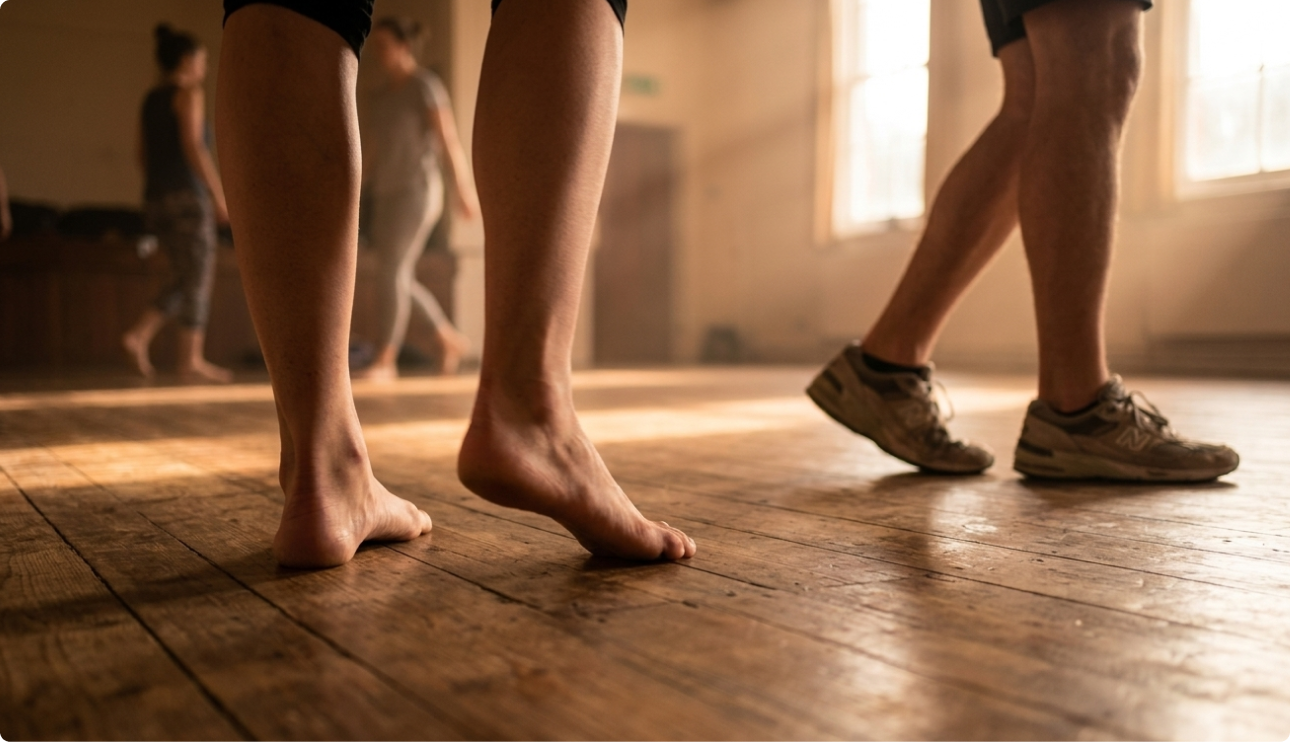
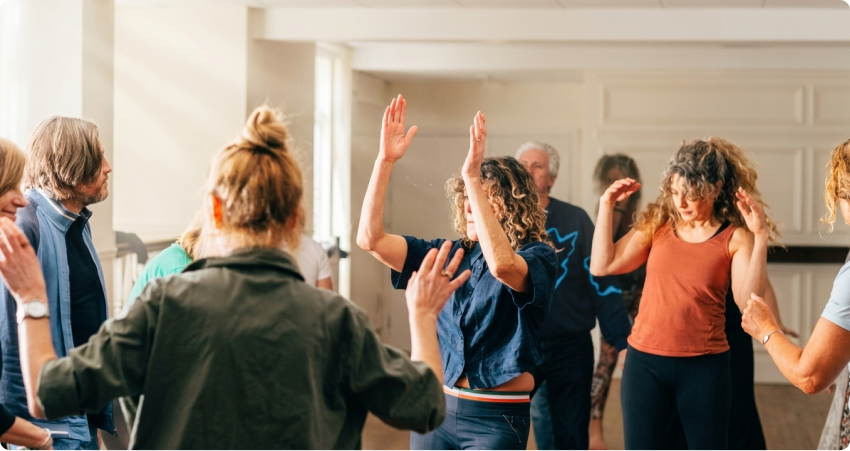
We become more aware of how we appear to others. We compare ourselves. We begin editing our behaviour before we've even had a chance to enjoy the experience. At RISE, people are given an opportunity to reconnect with a more natural relationship with movement. There is no choreography to learn and no expectation that everyone should move in the same way. Some people dance energetically. Others move more gently. Some spend time stretching, swaying or simply finding a rhythm that feels comfortable. Every approach is valid because the purpose isn't to create a performance. The purpose is to create space for self-expression.
One of the most noticeable shifts during a RISE session is what happens when people stop worrying about how they look.
The energy in the room changes. People become less focused on themselves and more engaged with the experience. They become more present, more relaxed and often more playful. Movement starts to feel less like something being observed and more like something being experienced. That shift doesn't happen because someone tells people to relax. It happens because the environment supports it.
The absence of phones and chat helps. The absence of alcohol helps. The absence of mirrors, instructors and performance expectations helps too. Together, those elements create an atmosphere where people can gradually let their guard down and engage with movement in a way that feels authentic. Many participants tell us they leave feeling lighter than when they arrived. Often that isn't because they have danced particularly well. It's because they have been playful and spent time without the usual pressure to perform.
Movement isn't just about fitness. It isn't only about exercise, calorie burn or physical health.
Movement has always been part of how humans communicate, heal, celebrate, connect, transition and express emotion. Across cultures and throughout history, people have gathered together to move, dance and share experiences through rhythm. Modern life doesn't always create much space for that. Many people spend long periods sitting, working through screens and managing responsibilities. Opportunities for spontaneous movement become increasingly rare. RISE offers a chance to reconnect with something that has always been part of being human. Not as a skill. Not as a performance. Simply as an experience.
One of the reasons RISE appeals to such a broad range of people is because success looks different for everyone.
For one person, success might mean dancing freely for two hours. For another, it might mean walking through the door despite feeling nervous. Someone else might spend most of the session observing and gradually building confidence.
All of those experiences are important. There is no ideal outcome and there is no correct way to participate. What matters is that people are given the opportunity to engage on their own terms. That sense of freedom can be surprisingly powerful.
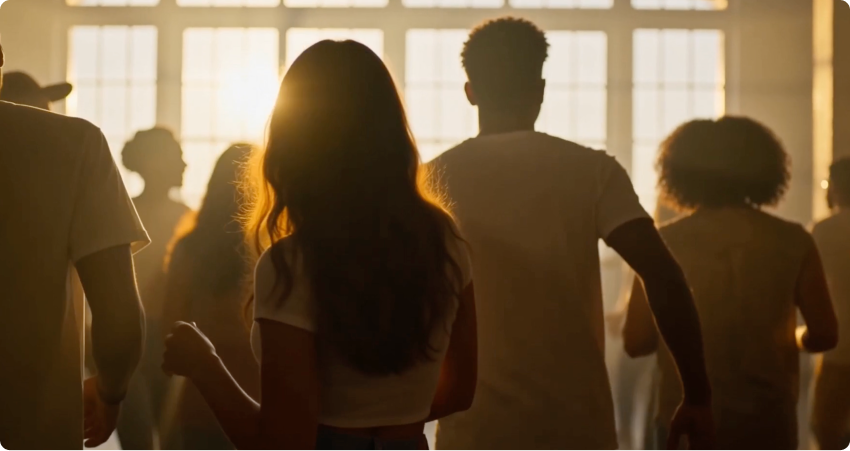
As RISE continues to evolve, I hope it continues to challenge the idea that movement belongs only to dancers, performers or highly confident people. Movement belongs to everyone. The ability to respond to music, explore rhythm and express ourselves physically isn't something that needs to be earned. It's something we already possess and always have done.
Sometimes we simply need the right environment to rediscover it. That's what RISE aims to provide. Not a stage. Not a performance. Just a welcoming space where people can move freely, connect with others and themselves and experience the simple joy of being fully present in their own bodies.